| visit: www.infertilitytutorials.com |
|
Progesterone During Pregnancy
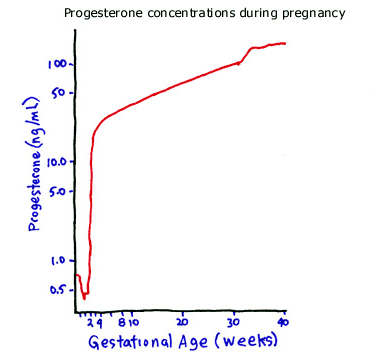
Progesterone has many biological actions, some of which seem to be critical in order to establish a healthy pregnancy. Progesterone is involved in preparing (maturing) the uterine lining (endometrium) for acceptance of a developing embryo prior to implantation. Progesterone inhibits T lymphocyte mediated tissue rejection, which is also possibly important in order to confer immunologic privilege to the implantation site during and following implantation. Progesterone appears to decrease uterine blood flow, which also may have importance in early pregnancy. Circulating progesterone concentrations are low (less than 1 ng/mL) between the onset of menses and the LH surge (which triggers ovulation and progesterone production). Progesterone concentrations increase dramatically around the time of ovulation and remain elevated throughout the luteal phase (from ovulation until the next menstrual flow). If falling progesterone concentrations at the end of the luteal phase are “rescued” by hCG (the pregnancy hormone) the progesterone levels remain elevated throughout the remainder of pregnancy. If not rescued by hCG, the decrease in pituitary LH secretion at the end of the menstrual cycle results in a decrease in progesterone secretion from the ovary and menses occurs (as a progesterone withdrawal flow). In this diagram, ovulation occurs at 2 weeks and progesterone gradually increases throughout most of pregnancy. Graph is based upon data collected by Dr. John E. Buster. | |||||||||||